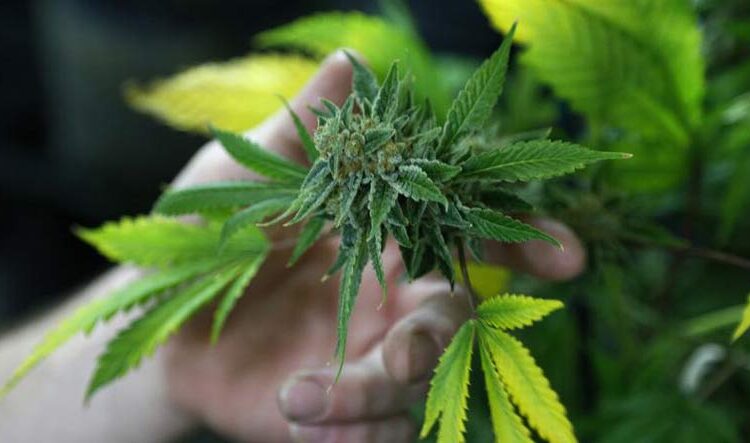
Cannabis laws in Europe are among the most complex and uneven legal frameworks in the world because each nation sets its own rules for possession, cultivation, medical access, and recreational use. Travellers, residents, and business owners often struggle to understand what is legal and what is not since regulations shift from one border to the next. This has created a patchwork of laws that range from very liberal to strictly prohibitive.
In recent years, interest in cannabis clubs, regulated consumption spaces, and community-based membership models has grown. Many users search for reliable information through platforms like https://cannabis-clubs-near.me/ which help people explore legally compliant membership options in countries that permit such structures. This development reflects a growing movement toward socially responsible consumption, although the rules differ widely from region to region.
Understanding the Regulatory Diversity Across Europe
Europe has no unified cannabis policy. Instead, national governments define their own legal boundaries that cover possession, purchase, cultivation, distribution, and consumption. European Union institutions influence certain aspects, such as cross-border trafficking laws, but they do not dictate domestic cannabis legislation. As a result, understanding European cannabis law requires a country-by-country analysis.
Several overarching patterns exist across the continent. Some countries apply decriminalisation, others maintain strict criminal penalties, and a smaller number are experimenting with regulated adult-use markets. Medical cannabis is legal in many European countries, although the level of access varies greatly. The legal philosophy behind these approaches usually depends on public health, cultural perspectives, political attitudes, and long-standing drug policies.
Countries with Liberal or Tolerant Policies
Some European countries adopt more tolerant rules regarding cannabis possession or consumption, particularly for personal use. These nations often prioritise harm reduction and public safety rather than criminal punishment.
The Netherlands
The Netherlands remains one of the most recognised examples of cannabis tolerance. Although cannabis itself is technically illegal, the Dutch government allows regulated coffee shops to sell small quantities under strict guidelines. Personal possession of small amounts is tolerated. Cultivation for personal use remains prohibited, yet enforcement is often lenient. The Dutch system is built on pragmatism, focusing on separating cannabis markets from harder drugs.
Spain
Spain has a highly unique model rooted in private consumption rights. Personal possession and use in private spaces are legal. Cultivation for personal use is allowed within private property. Cannabis Social Clubs operate under cooperative membership rules, offering adults a non-commercial, private supply chain. The clubs follow strict guidelines and cannot advertise to the general public. People often turn to services like https://cannabis-clubs-near.me/ to understand where participation may be legally permitted. Public consumption is prohibited and subject to administrative fines.
Portugal
Portugal is globally known for its decriminalisation policy. Possession of small quantities of cannabis for personal use is not a criminal offence. Instead of prosecution, individuals may face administrative penalties such as fines or referrals to public health services. Cannabis sales and cultivation remain illegal. This model focuses heavily on public health and harm reduction rather than punitive measures.
Countries Moving Toward Regulated Adult Use
A growing number of European nations are exploring the possibility of regulated adult-use markets. Although most have not yet fully implemented these systems, political discussions and legislative steps are already under way.
Germany
Germany has recently initiated a new cannabis reform pathway. The government has passed legislation allowing limited home cultivation and the establishment of regulated cultivation associations. These associations operate under strict membership rules and are intended to provide adults with controlled access to cannabis. Commercial cannabis sales remain restricted, and implementation is unfolding step by step. Germany’s approach may shape future cannabis policy debates across the continent.
Malta
Malta became the first European country to legally permit adult-use cannabis cultivation and possession. Adults may grow a limited number of plants at home and carry small amounts without penalty. Non-profit cannabis associations are permitted under licensing frameworks. Public consumption remains illegal, and advertising is strictly regulated. Malta’s policy emphasises harm reduction, personal autonomy, and community responsibility.
Countries with Medical Cannabis Frameworks
Most European countries allow medical cannabis in some form, but the scope varies widely. Some offer broad access to dried flower, oils, tinctures, and pharmaceutical products. Others restrict medical cannabis to a limited list of conditions or prescription formats.
Italy
Italy has a medical cannabis programme that allows access through authorised doctors and pharmacies. Cultivation for medical supply is tightly regulated. Personal recreational use remains illegal, although small possession is often treated as an administrative offence rather than a criminal one.
France
France’s medical cannabis framework is still in development. The country launched a controlled pilot programme to evaluate medical cannabis, with a focus on pain management and certain chronic conditions. Recreational use remains illegal, and possession is punishable with fines.
Denmark
Denmark operates a medical cannabis pilot programme, allowing patients to access controlled products. The country also permits local companies to cultivate and produce medical cannabis under strict regulations. Recreational cannabis is illegal and subject to penalties.
Poland, Czech Republic, and Croatia
These countries have legalised medical cannabis with varying degrees of access. Prescription models differ, and availability depends heavily on local supply chains and import rules. Recreational cannabis remains illegal, but penalties often prioritise education or treatment rather than imprisonment.
Countries with Strict Prohibition
Some European nations maintain firm anti-cannabis policies and impose strict penalties for possession, cultivation, or distribution.
Sweden
Sweden has one of Europe’s strictest cannabis policies. Both recreational and medical cannabis are heavily controlled. Possession is illegal, and penalties can include fines or imprisonment. The Swedish approach is based on a strong zero-tolerance philosophy.
Hungary
Hungary applies severe penalties for cannabis-related offences, including possession. Medical cannabis access is extremely limited. The government takes a firm stance against any form of liberalisation.
Slovakia
Slovakia has some of the strictest cannabis laws in Central Europe. Possession, cultivation, and distribution are criminal offences. Medical access is very restricted compared to other European countries.
The Rise of Cannabis Clubs and Community-Based Access
Across Europe, community-based cannabis clubs have gained attention as an alternative to commercial markets. These clubs operate under cooperative principles, where members collectively cultivate and distribute cannabis for personal use within a regulated framework. This model is present mainly in Spain and Malta, although similar approaches are emerging in other countries considering reform.
Cannabis clubs typically focus on:
-
controlled and responsible supply for members
-
private consumption rather than public use
-
non-profit structures
-
community engagement and transparency
-
strict age and membership rules
Interest in these models continues to grow, especially in countries exploring non-commercial cannabis reform. Travellers often look for accurate information to ensure they follow local laws, and services that compile legal guidance play a role in improving consumer understanding.
Cross-Border Travel and Cannabis Restrictions in Europe
One of the most confusing aspects of cannabis law in Europe relates to travel. A person who legally possesses cannabis in one country may unknowingly commit a criminal offence upon entering another. Since European cannabis laws are not harmonised, travellers must follow the rules of the destination country.
Key points to keep in mind include:
-
Never carry cannabis across borders, even within the Schengen Area.
-
Medical cannabis prescriptions are not universally accepted.
-
Customs authorities can impose fines or criminal charges for possession.
-
Public consumption rules differ widely.
Understanding local laws before travelling helps prevent legal issues and ensures responsible behaviour.
The Future of Cannabis Legislation in Europe
The debate around cannabis reform is active across Europe. Public opinion surveys consistently show increasing support for regulated markets. Policy discussions often focus on:
-
reducing black market influence
-
improving consumer safety
-
generating tax revenue
-
reducing criminal penalties
-
promoting public health
-
supporting scientific research
Several European nations are closely observing Malta and Germany to understand how regulated models might function. As medical cannabis programmes expand, many expect adult-use discussions to continue gaining momentum.
Frequently Asked Questions
Can I legally carry cannabis while travelling between European countries?
No. Even if cannabis is legal or decriminalised in the country you are leaving, crossing borders with cannabis is illegal throughout Europe. Border authorities treat possession as a criminal offence in many countries.
Are cannabis clubs legal everywhere in Europe?
No. Cannabis clubs are only legal in countries that explicitly regulate them, such as Spain and Malta. In other countries, joining or forming a club may be illegal. Always verify local laws before seeking membership.
Is medical cannabis recognised across Europe with a single prescription?
There is no unified medical cannabis system in Europe. A prescription issued in one country does not guarantee legal recognition in another. Each nation has its own rules, approved products, and medical guidelines.
Are tourists allowed to consume cannabis in tolerant countries?
It depends on national law. For example, Spain permits private consumption, but public consumption is prohibited. The Netherlands allows coffee shop sales, but tourists must still follow local regulations. Every country has its own rules regarding foreign visitors.
What happens if I am caught with cannabis in a country with strict laws?
Penalties vary from administrative fines to imprisonment depending on the country. Even small amounts may result in criminal charges in more restrictive nations. It is important to understand local laws beforehand to avoid legal trouble.
How can I find legally compliant cannabis clubs in Europe?
Research platforms that provide guidance on legal cannabis associations and membership rules. These services help users identify regulated and compliant options in countries where clubs operate legally. Always ensure that any club you join meets local regulatory standards.