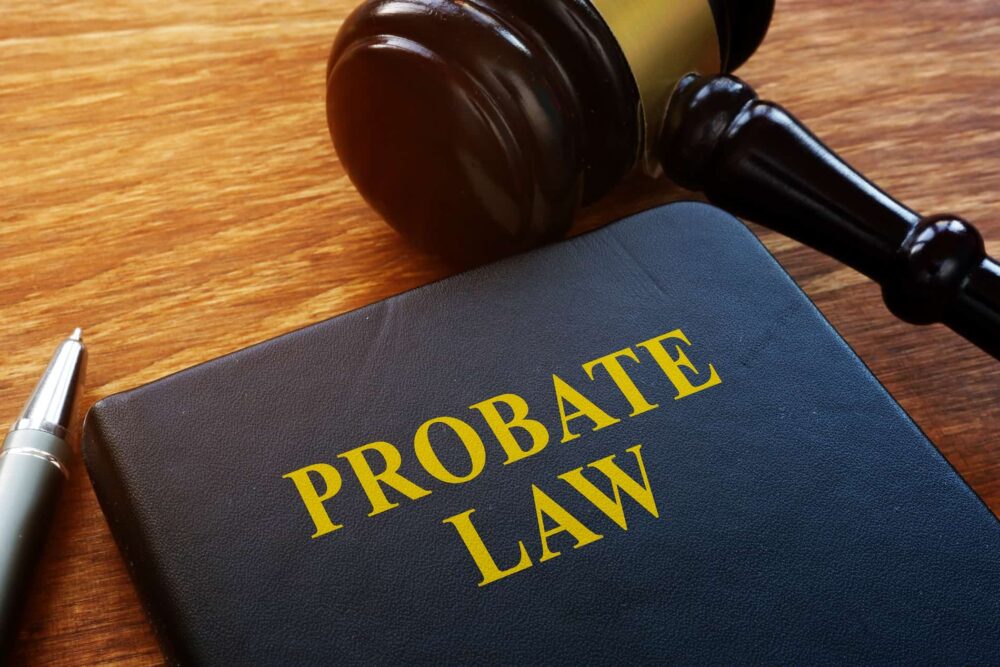
Understanding the Role of a Probate Lawyer: Why You Need One
Demystifying Probate: What Happens After Death?
Probate is a legal process that occurs after an individual passes away, in which their assets and debts are overseen by the state. In South Carolina, the probate process requires the deceased’s will to be validated, assuming one exists, which is typically handled by the Probate Court. If no will is present, the estate is managed according to state intestacy laws, distributing the deceased’s assets among relatives in a predetermined hierarchy.
This process is not merely a formal procedure; it plays a crucial role in ensuring the deceased’s wishes are honored while also protecting the rights of heirs and creditors. Navigating through probate can be complex and emotionally taxing for family members. The intricacies of estate valuation, debt settlement, tax implications, and addressing potential disputes among heirs can complicate matters considerably.
For instance, how do you ensure that all debts are settled before distributing the remaining assets? Thus, hiring a knowledgeable probate lawyer becomes essential. They act as skilled intermediaries who can guide families through this process with compassion and expertise.
The Lawyer’s Toolbox: Key Services Provided in Probate Cases
A competent probate lawyer will provide a variety of essential services, each crucial to the execution of a smooth probate process. First and foremost, they assist with the filing of necessary documents such as the petition for probate, the inventory of the estate, and accounting reports.
Furthermore, they will navigate the complex laws surrounding estate taxes, ensuring that all tax obligations are met while maximizing the estate’s value. Additionally, probate lawyers assist in asset management during the probate process, which includes advising on the proper handling of properties, investments, and trusts.
They are also trained in mediation and conflict resolution, which can be invaluable in situations where heirs disagree over asset division. Importantly, probate attorneys help safeguard estates against claims from creditors, ensuring that rightful heirs receive their inheritance without undue influence.
Finding Your Advocate: Why Experience Matters in Probate Law
The probate process varies considerably across states, making the experience of a lawyer in South Carolina pivotal. An attorney seasoned in local probate laws will not only be familiar with the procedural rules but also understand local court customs and the nuances that can affect cases.
For example, their knowledge of specific deadlines, filing requirements, and local judges’ tendencies can make a significant difference in ensuring an estate is managed effectively. Moreover, experience allows them to foresee potential complications or disputes that may arise, whether it’s a contested will or familial disagreements over asset distribution.
The right lawyer will anticipate these challenges and employ strategies to mitigate risks, ensuring the process remains as smooth and uncontentious as possible. In essence, experience equips a probate lawyer to become a proactive advocate and protector of the estate, as well as the surviving family members’ interests.
Key Qualities to Look for in a South Carolina Probate Lawyer
Communication is Key: How Your Lawyer Should Keep You Informed
Effective communication is the bedrock of a successful attorney-client relationship, especially in sensitive situations like probate. During times of grief, clear and compassionate communication is paramount.
A reliable probate lawyer ensures that clients are kept informed at each stage of the process, explaining complex legal terms in a way that is easy to understand. Regular updates about case progress, timelines, and potential developments can alleviate much of the anxiety that accompanies navigating the probate process.
It is essential for a lawyer to not only communicate their strategies but also to listen attentively to your concerns and preferences regarding the handling of the estate. Ask prospective lawyers how they prefer to communicate—whether through emails, phone calls, or in-person meetings—and their policy on returning calls or messages. This will help ensure that you find someone who aligns with your expectations for contact throughout the probate process.
Local Expertise: The Importance of Understanding State Laws
Each state implements unique laws and procedures regarding probate, making local expertise pivotal when selecting a probate lawyer. South Carolina’s legal framework includes distinct statutes that govern how wills are validated, how estates are administered, and how disputes are resolved.
A lawyer who is well-versed in South Carolina’s probate laws will utilize this knowledge to navigate potential pitfalls, ensuring compliant and efficient processing of the estate. Furthermore, they will be adept at identifying legal nuances that other lawyers, particularly those from out-of-state, may overlook. This not only includes knowledge of local statutes but also familiarity with regional court dynamics and guidelines that influence case outcomes.
Trustworthiness: Building a Relationship with Your Probate Attorney
Trust is a critical component of the attorney-client relationship, particularly in probate law, where emotions run high, and stakes are substantial. You will want a lawyer who approaches your case with integrity and whose values align with your own.
Look for a candidate who demonstrates transparency in their pricing, offers clear explanations about potential outcomes, and is forthcoming about their experiences and qualifications. Online reviews and testimonials can provide insights into how past clients view their trustworthiness. Additionally, ask for references or client satisfaction surveys to gauge their reputation among clients.
Remember, a good probate attorney not only needs to possess legal expertise but must also exude empathy and understanding, as they will guide you through one of the more challenging times in your life.
The Process of Selecting the Perfect Probate Lawyer for Your Needs
Initial Consultations: What to Expect and Questions to Ask
The initial consultation is often a pivotal point in selecting the right probate lawyer. During this meeting, you should assess not only the lawyer’s qualifications but also their interpersonal skills and willingness to guide you through the complexities of probate law.
Before the meeting, it’s essential to prepare a list of questions that may include inquiries about their experience handling cases similar to yours, their approach to communication, and their fee structures. It’s also important to request examples or case studies that illustrate how they successfully managed past probate cases.
Additionally, consider their demeanor during the meeting—do they appear genuinely interested in your situation? Are they willing to explain complicated legal processes? The goal is to ascertain whether they can provide the support and guidance you need during what could be a challenging time in your life.
Evaluating Compatibility: Is Your Lawyer a Good Fit for You?
Compatibility with your probate lawyer can significantly influence the entire experience and outcome of the estate administration process. You must feel comfortable discussing sensitive topics and sharing personal information about the deceased and the family dynamics.
Evaluate how well the lawyer listens and respects your wishes. How do they respond to your concerns and questions? Is there an instinctive sense of camaraderie, or do they come across as distant and aloof? Make sure the attorney understands your goals and values, as this alignment will facilitate a more productive collaborative process.
Compatibility also extends to practical aspects such as meeting availability, response time, and even their office location. Choose a lawyer who suits your personal style and who you feel can be a steadfast ally during this trying time.
Understanding Fees: The Financial Aspect of Hiring a Probate Lawyer
Cost is undeniably a significant factor in choosing a probate lawyer, yet it should not be the sole determinant. Understanding a lawyer’s fee structure helps you gauge the overall financial commitment involved.
Some lawyers charge flat fees for probate cases, while others utilize hourly rates, and some might charge a percentage of the estate’s value. Ensure that you request a detailed breakdown of these fees upfront to avoid any unpleasant surprises later on. Ask about any additional costs that may arise, such as filing fees or expenses for hiring expert witnesses. Furthermore, consider discussing payment plans if financial constraints might pose a challenge.
Ultimately, while cost is important, focusing solely on the cheapest option could lead you to overlook qualified attorneys who offer integral support and legal expertise. Understand that investing in a skilled probate lawyer may provide significant long-term savings by helping to navigate complex issues that might arise during the process.
Common Pitfalls in Hiring a Probate Lawyer and How to Avoid Them
The Temptation of Picking the Cheapest Option
In an effort to minimize costs, many individuals consider hiring the cheapest probate lawyer available. However, this decision may result in subpar representation and increased complications down the line. Lower fees often correlate with inexperience or a lack of resources.
An attorney with limited expertise may not fully grasp the nuances of South Carolina’s probate laws, potentially leading to costly mistakes, delayed proceedings, or unfavorable outcomes.
Rather than chasing the lowest price, aim to find a lawyer with a balance of affordability and experience. Weighing the costs against the potential benefits of hiring a knowledgeable attorney will serve you better in the long run, ensuring that the estate is administered effectively and according to the deceased’s wishes.
Ignoring Red Flags: Signs of a Less-Than-Ideal Lawyer
It’s critical to be vigilant during the search for a probate lawyer. Some of the red flags to watch for include lack of communication, disorganization, and an inability to provide clear answers about their experience or strategies for your case.
Be wary of lawyers who rush the consultation or seem unprepared; they may not have the attention to detail necessary for your case. Additionally, trust your instincts—if something feels off during interactions—whether it’s their demeanor, lack of professionalism, or unresponsiveness—these could be indicators of a less-than-ideal lawyer.
If you notice these signs, don’t hesitate to consult other attorneys until you find one who suits your needs. Remember, hiring a probate lawyer is a critical step in safeguarding the future of your loved ones’ estate, and it’s essential to exercise diligence in your selection.
Failure to Communicate: Ensuring Your Lawyer Listens to Your Needs
One of the most fundamental aspects of a successful attorney-client relationship is open lines of communication. If your probate lawyer is dismissive of your concerns or frequently unresponsive, this could lead to serious issues as the case unfolds. Open dialogue about your desires, expectations, and concerns regarding the estate is essential for a lawyer to adequately represent your interests.
Ensure your potential lawyer is not just knowledgeable but also approachable and willing to address your queries promptly. This could be a determining factor in avoiding misunderstandings or oversights that may negatively affect the probate process. During your consultations, gauge their willingness to listen and adapt their approach based on your specific needs. Communication is not just about exchanging information; it involves fostering a relationship built on trust and respect which is paramount for a successful outcome.
In conclusion, selecting the right probate lawyer in South Carolina is a multi-faceted process that requires careful consideration of various factors. By understanding the probate process, evaluating the necessary lawyer qualifications and personality attributes, navigating the consultation process, and avoiding common pitfalls, you can position yourself to make an informed decision.
A well-chosen probate lawyer will not only ensure a smoother probate experience but will also serve as a trusted ally during a time of personal grief and transition. Remember, this decision is not just about compliance; it’s about upholding the memory and wishes of your loved one while protecting the interests of surviving family members. Take your time, do your research, and foster open dialogue to find a probate lawyer who will partner with you compassionately and competently through the journey ahead.
FAQ
Question: What should I do if I can’t afford a probate lawyer? – It’s essential to explore legal aid services that may offer assistance based on your financial situation. Additionally, some lawyers may provide payment plans or flexible fees to accommodate clients.
Question: How long does the probate process take in South Carolina? – The duration of the probate process can vary significantly based on the complexity of the estate and whether there are disputes among heirs. Typically, it can take anywhere from a few months to over a year.
Question: Can I handle probate without a lawyer? – It is possible to represent yourself in probate proceedings, known as “pro se” representation; however, due to the complexities of the legal process, it is advisable to seek legal counsel to avoid potential pitfalls.
Question: How can I find reviews of probate lawyers in my area? – You can find reviews on legal websites, social media platforms, or local business directories. Additionally, asking for references during an initial consultation can provide insight into a lawyer’s reputation.
Question: What happens if a will is contested during the probate process? – If a will is contested, the probate court will typically hold a hearing to resolve the dispute. This can lead to delays and may require additional legal representation for all parties involved.
Question: Are there specific qualifications I should look for in a probate lawyer? – Seek a lawyer with experience in probate law, familiarity with South Carolina’s statutes, positive client reviews, and a transparent fee structure. Their communication style should also align with your preferences.
Question: Can I change my probate lawyer if I’m not satisfied? – Yes, you have the right to change your probate lawyer at any time. However, it is advisable to consider the implications this may have on your ongoing case and the potential need to start over.
Question: What should I prepare for my initial consultation with a probate lawyer? – Prepare pertinent documents such as the deceased’s will, financial statements, and any relevant legal notices. Additionally, create a list of questions you have about the probate process and the lawyer’s approach.
Useful Resources
- American Bar Association – ABA
- Nolo – Legal Encyclopedia and Self-Help Books
- org – Legal Resources and Information
- FindLaw – Legal Information and Resources
- S. Courts – Information on Federal Courts and Procedures
- South Carolina Judicial Department – Court Resources
- National Association of State Probate Legislators – Probate Legislation Information
- Pro Bono Net – Resources for Finding Free Legal Help